ABOUT Me

I have a good laugh on the beach on Okinawa in the South Seas of Japan.
My name is Sascha, and I’m the founder and CEO of SHO CHA. I’ve lived in Mecklenburg my whole life. Born in Kühlungsborn, raised in Malchin, and now living in Rostock since 2007, I enjoy life by the sea. My passion for martial arts sparked my interest in Japan when I was just 11. At 16, I discovered green tea—and 17 years later, I decided to start my own business.
What do I do besides running my business? I play guitar in a hardcore band. If you think your ears can handle it, feel free to check us out at https://www.instagram.com/fatnutsucks/. I work out a lot. I don’t do martial arts anymore—instead, I do fitness training, jogging, and sometimes yoga. I love healthy eating, cooking, and, of course, traveling. I’ve been to Japan three times and to South Korea once so far.
In addition, countries such as Laos, China, and the U.S. have particularly impressed me. I’ve been learning Japanese on my own and at the adult education center since 2017—one of the most exciting and, at the same time, most challenging things I’ve ever taken on alongside my work at my startup.

My passion? Discovering new tea fields and getting to know wonderful people in Japan.
What inspired me to come up with the idea for “
”?
As a passionate tea drinker, I’ve repeatedly found that green teas from discount stores, drugstores, local tea shops, or specialized online marketplaces are usually of a quality that can’t be compared to that of standard teas sold in Japan. In addition, the origin of these teas is often unclear, and their composition isn’t transparent. This is especially true for cheap matcha, which is often made from inexpensive green tea powder or, at best, from the astringent tea leaves of the fall harvest. But even sencha teas are generally a blend of various green teas—sometimes even from different countries. Furthermore, there is a particular risk here that the teas are heavily contaminated with pesticides.
In addition, the prices are, in my opinion, too high—especially when you consider the taste and quality. So I can certainly understand why someone might say they don’t like green tea at all, or that the taste isn’t worth the price to them. In many cases, that person has probably tried a “green tea commonly sold in Germany.”
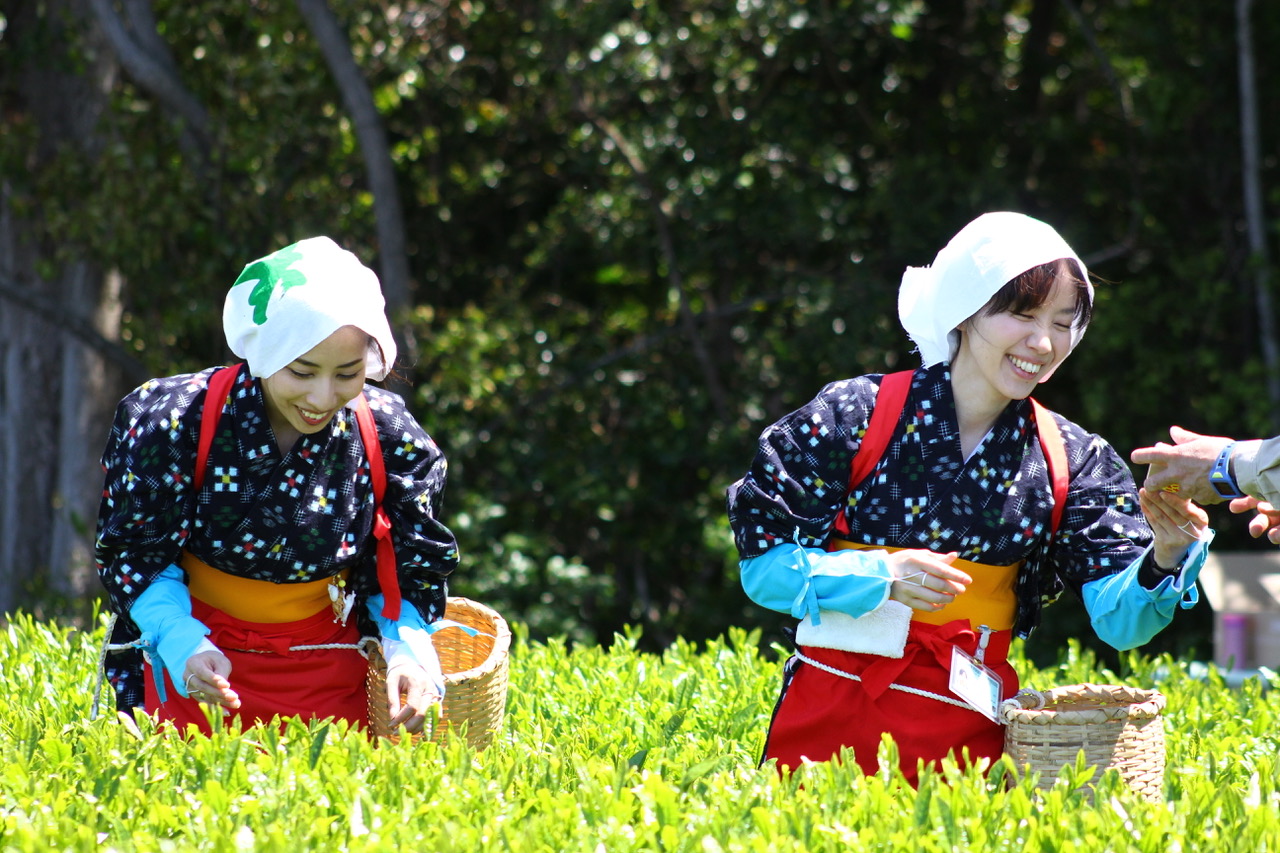
Employees harvesting tea in Mr. Hasegawa's tea garden.
Where can I find good green tea?
Years ago, through one of Japan’s largest online retailers, I began importing tea directly from Japan for my own personal use. I was very surprised by the low prices, especially considering the excellent flavor. Unfortunately, however, the retailers’ websites are often in Japanese or translated directly into English using Google Translate. On top of that, the ordering process is cumbersome, involving lengthy email exchanges, and you can’t always be sure you’ll receive what you think you ordered.
Alternatively, you can visit the website of your trusted online retailer. Here, the teas are usually expensive—and the selection is enormous. But which tea is the right one? The Gyukoro Karigane for €21/100g, or perhaps the Kabusecha Shincha for €56/100g? The selection can be overwhelming, and the prices are often hard to justify. Most of these teas are blends from the harvests of various tea farmers. Traceability, safety, and quality are difficult for customers to assess in this context.
That's exactly when the idea struck me: Why not import tea directly from Japan from individual tea farmers who grow single-variety, pesticide-free tea?
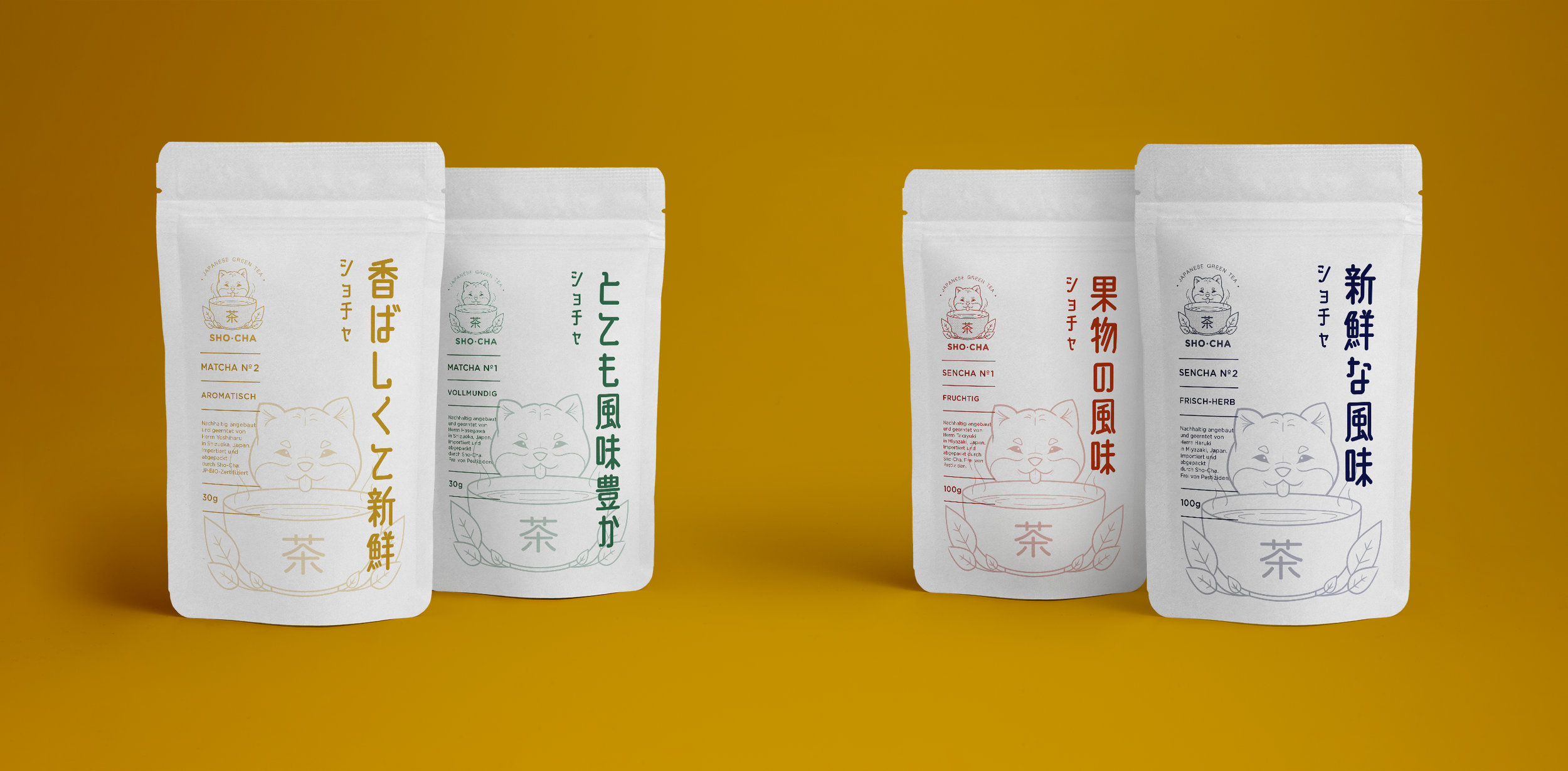
After all, importing fewer varieties of tea in large quantities—while cutting out the numerous middlemen—results in high quality, direct traceability, great flavor, and a reasonable price. That is the principle behind SHO.CHA


No blends, no pesticides,
every tea—just one tea farmer.
What makes me a TEE expert?
I've been drinking green tea from Japan for over 20 years. I'm always trying new teas (including those from South Korea, China, Laos, etc.). I have a great passion for Japan, its cuisine and culture, and, of course, green tea itself. That's all. I'm not a trained tea taster, food chemist, or gourmet.
When choosing the right tea, I rely on my taste, my eyes, and my nose, my common sense, as well as the tea farmers and my business partner in Japan.
Would you like to learn more about my early days as a founder, the tea farmers and their perspectives, and Japan and its culture? Then keep reading my blog…

What happens next?
We are constantly on the lookout for delicious green teas from Japanese tea farmers. In 2021, we added the intensely aromatic Kabusecha green tea from Iwakura-san in Shizuoka and the roasted Genmaicha from Toshimi-san in Kagoshima to our selection. In 2022, we added the sweet Amai Matcha from Nakai-san in Kyoto and the floral Hana Sencha from Ueda-san in Kyoto.
We always stick to our principles: 100% pesticide-free cultivation, one tea farmer per tea (single origin), and direct import from the producer in Japan. We never include blended teas of unknown origin in our bags.
If you want to stay up to date on the latest news about our products, our tea farmers, or Japan in general, follow us on Instagram, Facebook, or YouTube.